


Legal Online Casinos in Germany
Since GlüStV 2021, online slot machines and online poker can be offered nationwide under a GGL licence. According to the GGL, in September 2026 129 operators and intermediaries held GGL permits, covering 229 permitted gambling websites. The whitelist includes, among others, bet365, Tipico, bwin, Betano, Betway, 888 and Mr Green, PokerStars, Novoline, Merkur Slots, Stargames, Wunderino, Jackpot Piraten, Bing Bong and Rootz (Wildz). Each licensed operator must:
- verify every customer’s identity (an unverified account may be used for at most 72 hours, with a €100 deposit limit and no withdrawals),
- enforce a monthly pan-operator deposit limit of €1,000 (it can be set lower by the player at any time),
- link its platform to OASIS and LUGAS in real time.
Table-banking games (e.g., Roulette, Blackjack, Baccarat) are not licensed by the GGL: they are run in the terrestrial casinos licensed by the individual Länder, and online casino table games (Online-Casinospiele, §22c GlüStV) may only be permitted by a single Land for its own territory; no nation-wide online live-casino licences are issued. Accessing foreign-licensed platforms that are not whitelisted is deemed illegal supply; although German players are rarely prosecuted, they risk voided winnings and blocked payments.

 Slots
Slots
 Roulette
 Cards
Cards
 Videopoker
 Blackjack
 Slots
Roulette
Cards
Videopoker
Blackjack
Slots
Roulette
Cards
Videopoker
Blackjack
 Live Roulette
 Slots
Roulette
Cards
Videopoker
Blackjack
Slots
Roulette
Cards
Videopoker
Blackjack
 Slots
Roulette
Cards
Videopoker
Blackjack
Slots
Roulette
Cards
Videopoker
Blackjack
 Slots
Roulette
Cards
Videopoker
Blackjack
Slots
Roulette
Cards
Videopoker
Blackjack
 Slots
Roulette
Cards
Videopoker
Blackjack
Slots
Roulette
Cards
Videopoker
Blackjack
 Slots
Roulette
Cards
Videopoker
Blackjack
Slots
Roulette
Cards
Videopoker
Blackjack
 Slots
Roulette
Cards
Videopoker
Blackjack
Slots
Roulette
Cards
Videopoker
Blackjack
 Slots
Roulette
Cards
Videopoker
Blackjack
Slots
Roulette
Cards
Videopoker
Blackjack
 Slots
Roulette
Cards
Videopoker
Blackjack
Live Roulette
Slots
Roulette
Cards
Videopoker
Blackjack
Live Roulette
 Slots
Roulette
Cards
Videopoker
Blackjack
Slots
Roulette
Cards
Videopoker
Blackjack
 Slots
Roulette
Cards
Videopoker
Blackjack
Slots
Roulette
Cards
Videopoker
Blackjack
 Slots
Roulette
Cards
Videopoker
Blackjack
Slots
Roulette
Cards
Videopoker
Blackjack
 Slots
Roulette
Cards
Videopoker
Blackjack
Slots
Roulette
Cards
Videopoker
Blackjack
 Slots
Roulette
Cards
Videopoker
Blackjack
Slots
Roulette
Cards
Videopoker
Blackjack
Online Slots Germany
Slots are still the most popular form of gambling for Germans. Under the new rules every spin must last at least five seconds, the maximum stake is €1, autoplay and progressive jackpots are banned and the theoretical RTP must be displayed. Despite these restrictions, familiar titles such as Book of Dead (Play’n GO), Eye of Horus (Merkur), Ramses Book (Gamomat), Starburst and Dead or Alive 2 (NetEnt) remain widely offered, alongside titles from Bally Wulff and Blueprint (part of the German Gauselmann group).
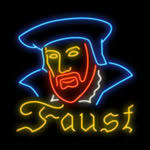
On SlotsPlay, visitors from Germany most often play Greentube classics such as Ultra Hot Deluxe, Lucky Lady’s Charm Deluxe 10, Sizzling Hot Deluxe, Faust and Book of Ra, followed by EGT (Amusnet) games such as 40 Burning Hot 6 Reels and Caramel Hot; Gamomat, Pragmatic Play and Push Gaming are the next most played providers.







Online Casino Games - Germany
Operators licensed by the GGL are currently limited to:
- Online slots (regulated as “virtual slot machines”)
- Online poker (ring games and tournaments on segregated liquidity)
- Sports betting (pre-match, live and e-sports with integrity restrictions)
Live-dealer Roulette, Blackjack and Punto Banco are still available only in land-based casinos, but individual Länder may license online casino table games for their own territory: Bavaria’s state casinos received such a permit in January 2024, and Schleswig-Holstein has licensed several private operators (among them Merkur, Novoline, Tipico and DrückGlück) since September 2024. Horse-racing totes, pool betting and the state lotteries continue to attract a loyal audience, while fantasy sports and e-sports wagering are growing niches.


Casinos in Germany
Germany still hosts more than 60 licensed brick-and-mortar casino locations (Spielbanken), mostly in metropolitan areas and historic spa resorts. Casino Baden-Baden, opened in 1855, remains the country’s flagship venue with American/French Roulette, Blackjack, Ultimate Texas Hold’em, Punto Banco and more than 150 modern slot machines. Entry is 18+ with mandatory ID; most houses charge a nominal admission fee and enforce a smart-casual dress code. Since the 2020–2022 pandemic many casinos have introduced electronic roulette stadiums and cashless wallets to comply with hygiene and AML requirements.
State law prescribes the maximum number of casino concessions, minimum distance to schools/child-care facilities and strict opening hours. Outside the casinos, low-stake gaming machines are operated in licensed amusement arcades, bars and restaurants under the federal Gaming Ordinance (Spielverordnung, SpielV) and §33c of the Trade Regulation Act, supervised by the Länder.
German Gambling Laws
Timeline of key legal changes:
- 2008 – First Interstate Treaty banned almost all online gambling.
- 2012 – Schleswig-Holstein Act briefly liberalised online casino play; 23 licences issued.
- 2020 – “Tolerance Policy” allowed eligible operators to prepare for the new market under strict conditions.
- 1 July 2021 – GlüStV 2021 introduced uniform national rules for slots, poker and sports betting.
- 1 January 2023 – GGL took over licensing, supervision, enforcement and advertising oversight.
- January 2024 – Bavaria’s state casinos received a permit for online casino games in Bavaria.
- September 2024 – Schleswig-Holstein issued its first permits for online casino games (§22c GlüStV) to private operators.
- 2025 – GGL enforcement grew to 287 prohibition procedures (68 in 2022), and preparatory work began on the evaluation of GlüStV 2021.
- September 2026 – five years after its foundation, the GGL reported 129 permit holders and 229 permitted gambling websites and called for the evaluation to make regulation more adaptable.
Key compliance points under GlüStV 2021:
- Pan-operator monthly deposit cap of, in principle, €1,000, monitored through the LUGAS limit file.
- 5.3 % turnover tax on online slots and poker; 5 % on sports bets.
- No parallel play with several operators (LUGAS activity file), a one-minute waiting period when switching between game types and a panic button that blocks play for 24 hours.
- Strict advertising watershed: no broadcast or internet advertising for virtual slots, online poker and online casino games between 06:00 and 21:00; no sports-betting adverts featuring active athletes or officials.
- Comprehensive self-exclusion (OASIS) valid across all licensed channels: at least 3 months for a self-exclusion, 12 months for a third-party exclusion.
- Severe penalties for unlicensed operators, ISP blocking and payment bans enforced by the GGL.
With these changes Germany now offers a fully regulated, consumer-protected online gambling market, albeit with tight limits and high taxation compared to the UK or Malta. Players should always consult the official whitelist (gluecksspiel-behoerde.de) before signing up.